


Understanding the Hidden Impact of Stress
How Stress Affects Your Body and Mind

Stress has become a part of everyday life for many people. Between work responsibilities, family obligations, financial concerns, health challenges, and the constant demands of modern life, it can feel difficult to find time to relax. While occasional stress is normal, ongoing stress can have a significant impact on both your body and your mind.
Many people think stress is simply feeling worried or overwhelmed. However, stress affects much more than emotions. It can influence your muscles, sleep, energy levels, immune system, concentration, mood, and overall quality of life. Understanding how stress affects the body and mind is the first step toward creating a healthier and more balanced lifestyle.
What Happens When You Experience Stress?

When your body perceives a challenge or threat, it activates what is commonly known as the “fight-or-flight” response. During this process, your body releases stress hormones such as cortisol and adrenaline.
These hormones are designed to help you respond quickly during emergencies. Your heart beats faster, your breathing increases, your muscles ti
ghten, and your body prepares to take action.
This response is useful in short-term situations. However, when stress continues for weeks, months, or even years, the body remains in a constant state of alertness. Over time, this can lead to physical, emotional, and mental health challenges.
How Stress Affects Your Body


Muscle Tension and Pain
One of the most common physical effects of stress is muscle tension. Many people carry stress in their neck, shoulders, upper back, lower back, and jaw without even realizing it.
Have you ever noticed your shoulders feeling tight after a stressful day? Or perhaps you’ve experienced tension headaches that seem to come out of nowhere. These symptoms are often connected to stress.
When muscles remain tight for long periods, discomfort and pain can develop. Over time, this can affect posture, mobility, and overall comfort.
Headaches and Migraines

Stress is a common trigger for headaches and migraines. When the body remains tense and the muscles around the neck and scalp tighten, pressure can build and contribute to headache symptoms.
People who experience chronic stress often report more frequent headaches than those with lower stress levels.
 Fatigue and Low Energy
Stress requires energy. When your body is constantly managing stress hormones, it can leave you feeling physically and mentally exhausted.
Many people describe stress-related fatigue as feeling tired even after sleeping. They may struggle with motivation, productivity, and maintaining their usual level of energy throughout the day.
Sleep Problems
Stress and sleep often affect each other. When stress levels increase, it can become difficult to fall asleep, stay asleep, or achieve quality rest.
Many people lie awake replaying conversations, worrying about responsibilities, or thinking about future challenges. Poor sleep can then increase stress levels the next day, creating a cycle that is difficult to break.
Digestive Issues
The digestive system is highly sensitive to stress. Some people experience stomach discomfort, bloating, nausea, or changes in appetite during stressful periods.
Stress can affect how the body processes food and may contribute to digestive problems over time.
Weakened Immune System
When stress becomes chronic, the immune system may not function as effectively as it should. This can make the body more vulnerable to illness and slow recovery from common infections.
Taking steps to manage stress is an important part of maintaining a healthy immune system.
How Stress Affects Your Mind

Anxiety and Worry
One of the most noticeable effects of stress is increased anxiety. Stress can cause the mind to focus on potential problems, creating feelings of worry and uncertainty.
While some concern is natural, excessive anxiety can affect daily life, relationships, and overall well-being.
Difficulty Concentrating
When the mind is overwhelmed by stress, concentration often suffers. Tasks that once felt simple may become more difficult.
People experiencing chronic stress frequently report:
- Difficulty focusing
- Trouble remembering information
- Reduced productivity
- Mental fatigue
Mood Changes
Stress can influence emotional balance. Some people become more irritable, impatient, or frustrated during stressful periods.
Others may feel sad, discouraged, or emotionally exhausted. These mood changes can affect relationships both at home and at work.
Burnout
Burnout occurs when prolonged stress leads to physical, mental, and emotional exhaustion.
Many professionals, business owners, caregivers, and parents experience burnout after carrying heavy responsibilities for extended periods.
Common signs include:
- Constant fatigue
- Loss of motivation
- Feeling overwhelmed
- Reduced performance
- Emotional exhaustion
The Connection Between the Body and Mind
The body and mind are closely connected. Mental stress often creates physical symptoms, while physical discomfort can increase emotional stress.
For example, stress may cause neck tension and poor sleep. Poor sleep can lead to fatigue and irritability. Fatigue can make daily tasks feel more difficult, which creates even more stress.
This cycle can continue unless healthy stress-management practices are introduced.
Understanding this connection helps explain why addressing stress is so important for overall wellness.
Healthy Ways to Manage Stress

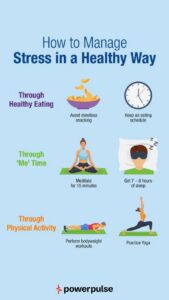
The good news is that stress can be managed. While it may not be possible to eliminate all stress from life, healthy habits can help reduce its impact.
Exercise
Physical activity helps release tension, improve mood, and support overall health.
Even a short walk can help reduce stress and improve mental clarity.
Deep Breathing and Meditation

Breathing exercises and meditation encourage relaxation and help calm the nervous system.
Taking just a few minutes each day to focus on breathing can create a noticeable difference.
Quality Sleep

Prioritizing sleep is essential for stress management. A well-rested body is better equipped to handle daily challenges.
Healthy Nutrition
Eating balanced meals helps provide the nutrients needed for energy, focus, and overall well-being.
Spending Time Outdoors
Nature has a calming effect on many people. Fresh air, sunlight, and time away from screens can help reduce stress levels.
Massage Therapy

Massage therapy is one of the most effective natural tools for stress relief. It helps relax muscles, improve circulation, and encourage deep relaxation.
Many people report feeling calmer, lighter, and more refreshed after a massage session.
Why Massage Therapy Helps Reduce Stress
Massage therapy supports both physical and mental wellness.
Benefits may include:
- Reduced muscle tension
- Improved circulation
- Better sleep quality
- Reduced headaches
- Improved mood
- Increased relaxation
- Enhanced overall well-being
Massage creates an opportunity to step away from daily pressures and focus on self-care. For many people, it becomes an important part of maintaining a healthy lifestyle.
Final Thoughts
Stress affects much more than your mood. It can influence your muscles, sleep, digestion, energy levels, focus, relationships, and overall health.
Learning to recognize the signs of stress is the first step toward protecting your well-being. By incorporating healthy habits such as exercise, proper rest, mindfulness, and massage therapy, you can help reduce stress and improve your quality of life.
Remember, taking care of yourself is not a luxury. It is an investment in your health, happiness, and future.
Experience Relaxation at Zhen Day Spa & Beauty

If stress has become part of your daily routine, professional massage therapy can help you relax, recharge, and restore balance.
Visit: zhendayspabeauty.com
Call or Text: 210-290-8114
Your body and mind deserve time to rest, recover, and thrive.