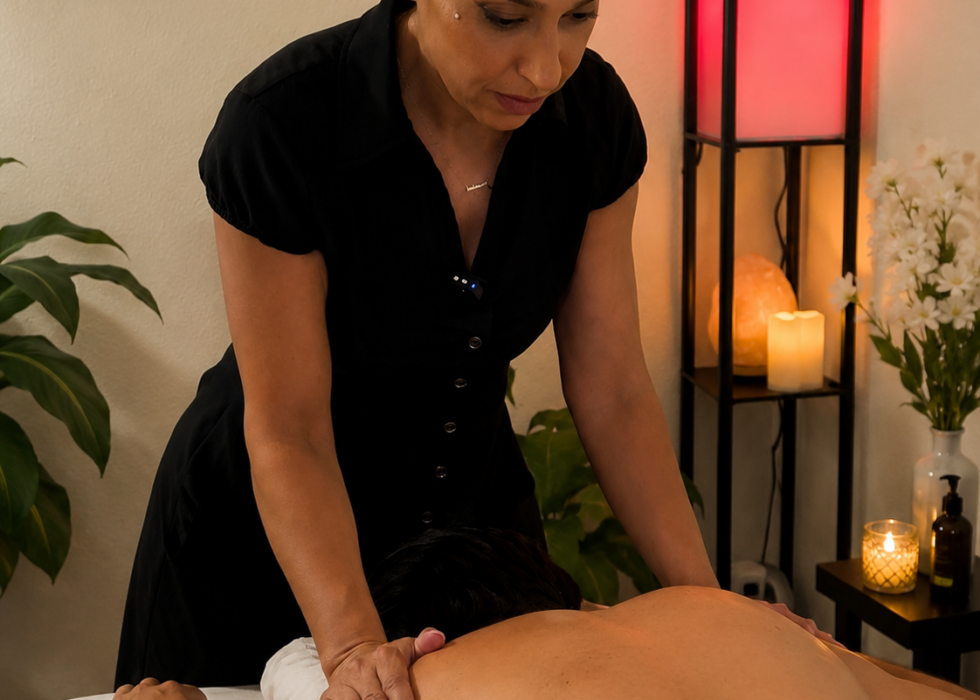

5 Signs Your Body Needs a Massage
Don’t Ignore What Your Body Is Trying to Tell You
In today’s busy world, many people accept muscle pain, stress, headaches, and fatigue as a normal part of life. We spend hours sitting at desks, staring at computer screens, driving long distances, standing at work, exercising without enough recovery, and constantly rushing from one responsibility to another. Over time, our bodies begin sending signals that something isn’t right. Unfortunately, many of us ignore those signals until the discomfort becomes severe.
Massage therapy is often thought of as a luxury or an occasional treat, but it is much more than that. Professional massage therapy is an important part of maintaining physical health, reducing stress, improving circulation, and supporting overall wellness. Instead of waiting until pain becomes unbearable, learning to recognize the early warning signs can help you take better care of your body before small problems become larger ones.
Your muscles, joints, and nervous system are constantly communicating with you. Tight shoulders, stiff necks, sore backs, restless nights, and frequent headaches are not simply inconveniences—they may be your body’s way of asking for help.
Let’s explore five common signs that your body may need a massage and why listening to these signals can improve your health and quality of life.
Understanding Muscle Tension
Before discussing the warning signs, it’s important to understand why muscle tension develops.
Muscles naturally tighten when we experience physical activity, emotional stress, poor posture, repetitive movements, or injuries. Normally, muscles relax once the activity ends. However, modern lifestyles often keep our muscles under constant stress.
Hours spent looking down at a smartphone, sitting in front of a computer, lifting children, carrying heavy bags, exercising intensely, or even emotional anxiety can prevent muscles from fully relaxing.
Over time, this tension reduces flexibility, limits movement, decreases circulation, and may lead to chronic discomfort.
Massage therapy helps interrupt this cycle by encouraging muscles to relax, improving blood flow, and promoting recovery.
Sign #1: Your Neck and Shoulders Always Feel Tight
If someone asked you where you carry your stress, chances are you would point to your neck or shoulders.
These areas are among the first places where tension builds.
Many people spend eight or more hours each day sitting at a computer or looking down at phones. This forward-head posture places tremendous strain on the muscles that support your head. Since the average adult head weighs around 10 to 12 pounds, even a slight forward tilt significantly increases the workload on your neck and upper back muscles.
Signs your neck and shoulders need attention include:
- Constant stiffness
- Difficulty turning your head
- Shoulder tightness
- Pain between the shoulder blades
- Muscle knots
- Frequent tension headaches
Massage therapy helps loosen tight muscles, improve flexibility, and restore comfortable movement. Many clients notice immediate relief and improved posture after regular treatments.
Sign #2: You’re Constantly Stressed or Anxious
Stress affects much more than your emotions.
When you’re under pressure, your body releases hormones such as cortisol and adrenaline. These hormones prepare your body for “fight or flight,” causing muscles to tighten, your heart rate to increase, and breathing to become shallower.
While this response is helpful during emergencies, living in this state every day places enormous stress on your body.
Common physical symptoms include:
- Tight muscles
- Jaw clenching
- Headaches
- Poor concentration
- Fatigue
- Difficulty relaxing
- Irritability
Massage therapy encourages the body’s natural relaxation response. Gentle touch and rhythmic movements help reduce muscle tension and promote a greater sense of calm. Many clients describe feeling mentally clearer and emotionally refreshed after a session.
Sign #3: Your Lower Back Hurts Frequently
Lower back discomfort is one of the leading reasons people seek massage therapy.
Poor posture, prolonged sitting, lifting heavy objects, weak core muscles, and repetitive movements can all contribute to tightness and discomfort in the lower back.
Sometimes the pain doesn’t actually begin in the back. Tight hips, glute muscles, or hamstrings can pull on the lower back, creating additional strain.
Massage therapy helps by relaxing surrounding muscles, improving flexibility, and increasing circulation to soft tissues.
Although massage is not a substitute for medical treatment, it can be an effective part of an overall wellness plan for many people experiencing muscle-related discomfort.
Sign #4: You’re Not Sleeping Well
Sleep is one of the body’s most important recovery tools.
Unfortunately, stress, muscle tension, and physical discomfort often interfere with quality sleep.
Have you ever found yourself tossing and turning because your shoulders hurt or your back feels tight?
When muscles remain tense throughout the day, your nervous system has difficulty fully relaxing at night.
Massage therapy creates an opportunity for both your body and mind to slow down.
Many people report:
- Falling asleep more easily
- Feeling more rested
- Waking up with less stiffness
- Feeling refreshed the next morning
Better relaxation during the day often contributes to better rest at night.
Sign #5: Your Muscles Stay Sore After Everyday Activities
Muscle soreness isn’t limited to athletes.
Teachers, nurses, hairstylists, warehouse workers, construction workers, office employees, and parents all place daily demands on their muscles.
If you’re constantly sore after normal daily activities, your muscles may not be recovering properly.
Common symptoms include:
- Heavy legs
- Tight calves
- Aching feet
- Sore arms
- Limited flexibility
- Muscle fatigue
Massage increases circulation to tired muscles while helping reduce tightness and improve movement.
Regular massage can become an important part of maintaining an active lifestyle.
Why Waiting Until You’re in Pain Isn’t the Best Strategy
Many people wait until they’re experiencing severe discomfort before booking a massage.
Imagine waiting until your car completely breaks down before changing the oil. Preventive maintenance is always easier—and often less expensive—than repairing a major problem.
Your body works the same way.
Regular massage therapy helps maintain healthy muscles before pain becomes chronic.
Benefits of routine massage may include:
- Improved flexibility
- Reduced muscle tension
- Better circulation
- Less stress
- Increased relaxation
- Improved mobility
- Enhanced recovery after exercise
- Better overall well-being
Instead of viewing massage as an occasional luxury, many wellness professionals recommend making it part of your long-term self-care routine.
Which Massage Is Right for You?
Different massage techniques are designed to meet different needs.
Swedish Massage is ideal for relaxation, stress relief, and improving circulation.
Deep Tissue Massage targets deeper layers of muscle to help relieve chronic tension and stubborn knots.
Sports Massage supports active individuals by helping prepare muscles for activity and assisting recovery afterward.
Hot Stone Massage combines heated stones with massage techniques to encourage muscle relaxation and comfort.
Aromatherapy Massage blends massage with essential oils to create a calming sensory experience.
A professional massage therapist can recommend the best treatment based on your health history, goals, and comfort level.
Listen to Your Body Before It Speaks Louder
Your body communicates with you every day.
Tight muscles, headaches, stress, fatigue, poor sleep, and soreness are often early signs that your body needs attention.
Ignoring these signals may allow tension to build over time, making recovery more difficult.
By listening to your body and making massage therapy part of your wellness routine, you can help reduce everyday stress, improve physical comfort, and enjoy a healthier, more balanced lifestyle.
Experience Professional Massage Therapy at Zhen Day Spa & Beauty
At Zhen Day Spa & Beauty, we believe massage is more than relaxation—it’s an investment in your health and well-being. Our experienced therapists provide personalized treatments designed to reduce tension, relieve stress, improve circulation, and help you feel your best.
Whether you’re looking to unwind after a busy week, recover from physical activity, or simply take time for yourself, we’re here to help you achieve your wellness goals.
Ready to Feel Better?
Don’t wait until discomfort becomes pain. Give your body the care it deserves with a customized massage at Zhen Day Spa & Beauty.
Call: 210-290-8114
Book Online: www.zhendayspabeauty.com
Experience the difference professional massage therapy can make. Your body will thank you.


Foot Massage & Reflexology
The Ancient Healing Tradition That Has Relaxed the World for Thousands of Years


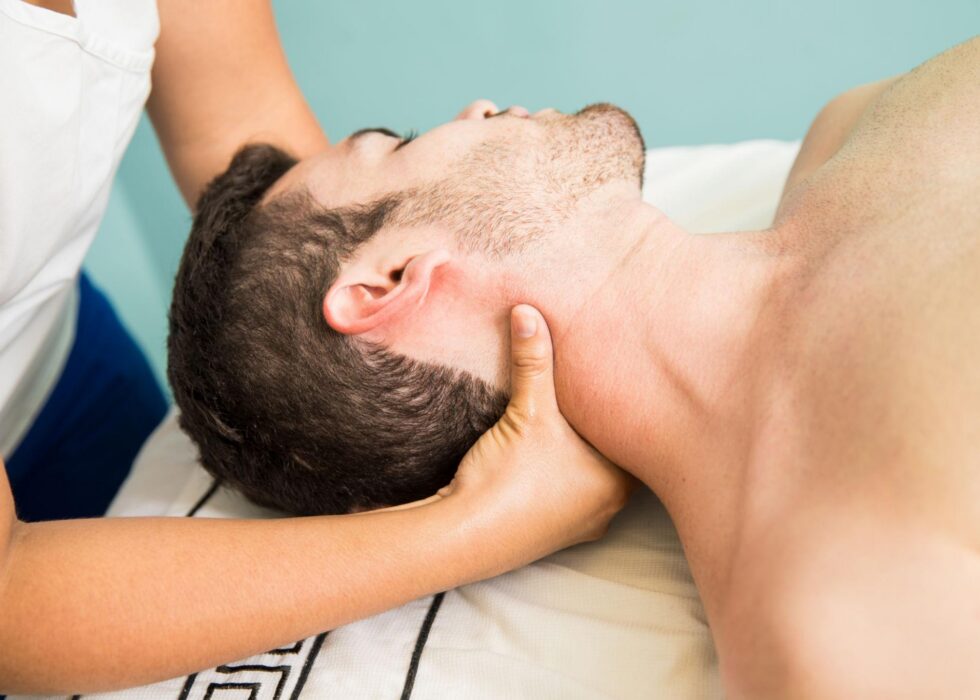
Deep Tissue vs. Swedish Massage: Which Is Right for You?

Deep Tissue vs. Swedish Massage: Which Is Right for You?
Massage therapy has been used for thousands of years to help people relax, reduce pain, improve circulation, and support overall wellness. Today, two of the most popular massage styles are Deep Tissue Massage and Swedish Massage.
Many clients ask:
“Which massage is better?”
The truth is that neither massage is better than the other. They are designed for different goals and different needs. The best choice depends on your lifestyle, stress levels, pain concerns, and wellness goals.
If you are considering a massage but are unsure which type is right for you, this guide will help you understand the differences, benefits, and who can benefit most from each treatment.
Understanding Swedish Massage
Swedish Massage is often considered the foundation of modern massage therapy. It is the most commonly requested massage for relaxation and overall wellness.
Swedish massage uses long, flowing strokes combined with gentle kneading, circular movements, and light to moderate pressure. The goal is to help the body relax while improving circulation and reducing everyday stress.
Many people choose Swedish Massage because it creates a calming experience that allows both the body and mind to unwind.
Benefits of Swedish Massage
Swedish Massage offers many benefits, including:
- Reducing stress and anxiety
- Promoting relaxation
- Improving blood circulation
- Supporting healthy lymphatic flow
- Reducing muscle tension
- Improving flexibility
- Enhancing sleep quality
- Boosting overall wellness
For people who spend long hours working, caring for family, or managing daily responsibilities, Swedish Massage can provide a much-needed opportunity to slow down and recharge.
How Swedish Massage Works
During a Swedish Massage session, your therapist uses several techniques:
Effleurage
Long, gliding strokes across the muscles.
These strokes warm up the tissues and encourage relaxation.
Petrissage
Gentle kneading and lifting of the muscles.
This technique helps improve circulation and release tension.
Friction
Circular movements applied to specific areas.
This helps improve tissue mobility and blood flow.
Tapotement
Rhythmic tapping movements.
This can help stimulate muscles and improve energy flow.
Vibration
Gentle shaking or vibration techniques.
These movements encourage relaxation and help calm the nervous system.
Together, these techniques create a soothing and restorative experience.
Who Should Choose Swedish Massage?
Swedish Massage is ideal for:
- First-time massage clients
- Individuals experiencing stress
- Busy professionals
- Parents and caregivers
- People seeking relaxation
- Individuals with mild muscle tension
- Seniors
- Anyone wanting a gentle massage experience
If your primary goal is to relax and feel refreshed, Swedish Massage may be the perfect choice.
Understanding Deep Tissue Massage
Deep Tissue Massage focuses on the deeper layers of muscles and connective tissues.
Unlike Swedish Massage, which primarily promotes relaxation, Deep Tissue Massage targets chronic tension, muscle tightness, and areas of discomfort.
Many people carry stress in their neck, shoulders, lower back, hips, and legs. Over time, these tight muscles can create discomfort, limited mobility, and pain.
Deep Tissue Massage works to release these deeper restrictions and improve muscle function.
How Deep Tissue Massage Works
Deep Tissue Massage uses slower, more focused strokes combined with firm pressure.
Your therapist works deeper into the muscle fibers and connective tissues to break up tension and adhesions.
Adhesions are bands of rigid tissue that can develop due to:
- Repetitive movements
- Poor posture
- Stress
- Injuries
- Physical labor
- Athletic activities
These restrictions can reduce flexibility and contribute to pain.
Deep Tissue Massage helps restore normal movement and function.
Benefits of Deep Tissue Massage
Deep Tissue Massage may help:
- Relieve chronic pain
- Reduce muscle tension
- Improve mobility
- Increase flexibility
- Improve posture
- Reduce stiffness
- Support recovery after exercise
- Release knots and trigger points
- Improve circulation
- Promote healing
Many clients notice significant improvements after several sessions, especially when combined with stretching, hydration, and healthy lifestyle habits.
Who Should Choose Deep Tissue Massage?
Deep Tissue Massage is often recommended for:
Athletes
Athletes frequently experience muscle fatigue and tightness.
Deep Tissue Massage can help support recovery and improve performance.
Active Individuals
People who exercise regularly often develop muscle tension that benefits from deeper work.
Office Workers
Long hours sitting at a desk can create tightness in the neck, shoulders, and lower back.
Deep Tissue Massage can help address these issues.
People with Chronic Muscle Tension
Many clients experience long-term tightness from stress, repetitive work, or poor posture.
Deep Tissue Massage can help release these deeper restrictions.
Individuals Recovering from Physical Strain
Physical jobs and demanding lifestyles can place significant stress on the body.
Deep Tissue Massage helps restore balance and function.
Pressure: The Biggest Difference
The most noticeable difference between Swedish and Deep Tissue Massage is the pressure.
Swedish Massage
- Light to moderate pressure
- Gentle and relaxing
- Focuses on overall wellness
- Promotes relaxation
Deep Tissue Massage
- Moderate to firm pressure
- Targets deeper muscles
- Focuses on pain relief and muscle recovery
- Addresses chronic tension
It is important to remember that deeper pressure does not always mean a better massage.
The right pressure is the pressure your body needs.
A skilled massage therapist adjusts pressure based on your goals, comfort level, and physical condition.
Is Deep Tissue Massage Painful?
This is one of the most common questions clients ask.
Deep Tissue Massage should never be unbearable.
You may feel some discomfort as tight muscles are being addressed, but communication with your therapist is essential.
Good pressure feels productive, not painful.
After a Deep Tissue Massage, some clients experience mild soreness similar to what they might feel after exercise.
This usually resolves within a day or two.
Drinking water and gentle stretching can help support recovery.
Which Massage Is Better for Stress?
Both massage styles help reduce stress, but they do so differently.
Swedish Massage for Stress Relief
Swedish Massage is often the preferred choice for stress reduction.
The soothing techniques encourage the nervous system to shift into a more relaxed state.
Many clients leave feeling calm, refreshed, and mentally clear.
Deep Tissue Massage for Stress Relief
Deep Tissue Massage can also help relieve stress by releasing physical tension stored in the muscles.
People who hold stress in their neck, shoulders, jaw, or back often find significant relief.
Which Massage Is Better for Pain?
For chronic muscle tension and physical discomfort, Deep Tissue Massage is often the better choice.
Common concerns include:
- Neck pain
- Shoulder tension
- Lower back discomfort
- Hip tightness
- Leg soreness
- Muscle knots
Deep Tissue Massage targets these problem areas more directly.
However, if pain is related primarily to stress and overall tension, Swedish Massage may also provide significant relief.
Which Massage Is Better for First-Time Clients?
For most first-time clients, Swedish Massage is usually recommended.
The lighter pressure allows clients to become comfortable with massage therapy and experience its many benefits.
Once clients understand how their body responds, they can explore deeper treatments if needed.
Can You Combine Both?
Absolutely.
Many clients enjoy a customized massage that combines Swedish and Deep Tissue techniques.
For example:
- Swedish techniques for relaxation
- Deep Tissue work on problem areas
- Relaxing scalp massage
- Neck and shoulder focus
- Foot massage for additional stress relief
A customized approach often provides the best of both worlds.
Signs You Need a Swedish Massage
You may benefit from Swedish Massage if:
- You feel overwhelmed by stress
- You struggle to relax
- You have trouble sleeping
- You want self-care time
- You experience mild muscle tension
- You want a gentle massage
Signs You Need a Deep Tissue Massage
You may benefit from Deep Tissue Massage if:
- You have chronic muscle tightness
- You experience recurring pain
- You sit for long periods
- You perform physical work
- You exercise frequently
- You have limited mobility
- You notice knots in your muscles
What to Expect After Your Massage
Following either massage, many clients experience:
- Reduced stress
- Improved mood
- Better sleep
- Increased relaxation
- Improved circulation
- Greater mobility
To maximize your results:
- Drink plenty of water
- Avoid excessive physical activity immediately afterward
- Stretch gently
- Get adequate rest
- Schedule regular massage sessions
Consistency often produces the best long-term results.
How Often Should You Get a Massage?
The ideal frequency depends on your goals.
For Relaxation
Every 4–6 weeks can help maintain wellness and reduce stress.
For Chronic Tension
Every 2–4 weeks may provide better results.
For Athletes
Weekly or biweekly sessions may support recovery and performance.
Your massage therapist can recommend a schedule based on your needs.
Investing in Your Health and Wellness
Massage therapy is more than a luxury.
It is an investment in your physical, mental, and emotional well-being.
In today’s busy world, many people spend hours working, caring for family, staring at screens, and managing daily stress. Over time, this stress affects the body in ways we often do not realize.
Regular massage therapy provides an opportunity to slow down, recharge, and care for yourself.
Whether you choose Swedish Massage, Deep Tissue Massage, or a customized combination of both, your body and mind will thank you.
Final Thoughts
When deciding between Deep Tissue Massage and Swedish Massage, the best choice depends on your goals.
Choose Swedish Massage if you want relaxation, stress relief, improved circulation, and gentle muscle tension relief.
Choose Deep Tissue Massage if you need focused work on chronic tension, muscle tightness, recovery, and pain management.
Both treatments offer powerful benefits and can play an important role in a healthy wellness routine.
At Zhen Day Spa & Beauty, our experienced therapists can help you choose the treatment that best fits your needs and customize your massage experience for maximum results.
Ready to Relax and Feel Your Best?
Whether you need stress relief, muscle recovery, or simply time to recharge, we are here to help.
Zhen Day Spa & Beauty
Website: zhendayspabeauty.com
Call or Text: 210-290-8114
Book your massage today and discover the difference professional massage therapy can make for your body, mind, and overall well-being.
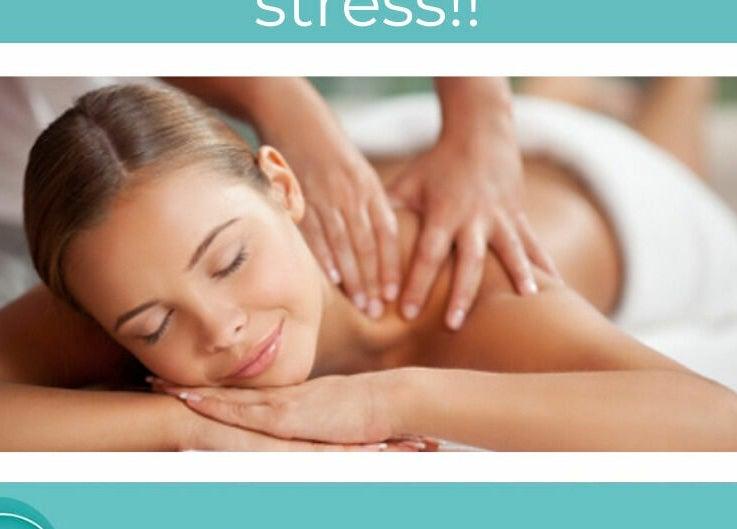
Understanding the Hidden Impact of Stress
How Stress Affects Your Body and Mind

Stress has become a part of everyday life for many people. Between work responsibilities, family obligations, financial concerns, health challenges, and the constant demands of modern life, it can feel difficult to find time to relax. While occasional stress is normal, ongoing stress can have a significant impact on both your body and your mind.
Many people think stress is simply feeling worried or overwhelmed. However, stress affects much more than emotions. It can influence your muscles, sleep, energy levels, immune system, concentration, mood, and overall quality of life. Understanding how stress affects the body and mind is the first step toward creating a healthier and more balanced lifestyle.
What Happens When You Experience Stress?

When your body perceives a challenge or threat, it activates what is commonly known as the “fight-or-flight” response. During this process, your body releases stress hormones such as cortisol and adrenaline.
These hormones are designed to help you respond quickly during emergencies. Your heart beats faster, your breathing increases, your muscles ti
ghten, and your body prepares to take action.
This response is useful in short-term situations. However, when stress continues for weeks, months, or even years, the body remains in a constant state of alertness. Over time, this can lead to physical, emotional, and mental health challenges.
How Stress Affects Your Body


Muscle Tension and Pain
One of the most common physical effects of stress is muscle tension. Many people carry stress in their neck, shoulders, upper back, lower back, and jaw without even realizing it.
Have you ever noticed your shoulders feeling tight after a stressful day? Or perhaps you’ve experienced tension headaches that seem to come out of nowhere. These symptoms are often connected to stress.
When muscles remain tight for long periods, discomfort and pain can develop. Over time, this can affect posture, mobility, and overall comfort.
Headaches and Migraines

Stress is a common trigger for headaches and migraines. When the body remains tense and the muscles around the neck and scalp tighten, pressure can build and contribute to headache symptoms.
People who experience chronic stress often report more frequent headaches than those with lower stress levels.
 Fatigue and Low Energy
Stress requires energy. When your body is constantly managing stress hormones, it can leave you feeling physically and mentally exhausted.
Many people describe stress-related fatigue as feeling tired even after sleeping. They may struggle with motivation, productivity, and maintaining their usual level of energy throughout the day.
Sleep Problems
Stress and sleep often affect each other. When stress levels increase, it can become difficult to fall asleep, stay asleep, or achieve quality rest.
Many people lie awake replaying conversations, worrying about responsibilities, or thinking about future challenges. Poor sleep can then increase stress levels the next day, creating a cycle that is difficult to break.
Digestive Issues
The digestive system is highly sensitive to stress. Some people experience stomach discomfort, bloating, nausea, or changes in appetite during stressful periods.
Stress can affect how the body processes food and may contribute to digestive problems over time.
Weakened Immune System
When stress becomes chronic, the immune system may not function as effectively as it should. This can make the body more vulnerable to illness and slow recovery from common infections.
Taking steps to manage stress is an important part of maintaining a healthy immune system.
How Stress Affects Your Mind

Anxiety and Worry
One of the most noticeable effects of stress is increased anxiety. Stress can cause the mind to focus on potential problems, creating feelings of worry and uncertainty.
While some concern is natural, excessive anxiety can affect daily life, relationships, and overall well-being.
Difficulty Concentrating
When the mind is overwhelmed by stress, concentration often suffers. Tasks that once felt simple may become more difficult.
People experiencing chronic stress frequently report:
- Difficulty focusing
- Trouble remembering information
- Reduced productivity
- Mental fatigue
Mood Changes
Stress can influence emotional balance. Some people become more irritable, impatient, or frustrated during stressful periods.
Others may feel sad, discouraged, or emotionally exhausted. These mood changes can affect relationships both at home and at work.
Burnout
Burnout occurs when prolonged stress leads to physical, mental, and emotional exhaustion.
Many professionals, business owners, caregivers, and parents experience burnout after carrying heavy responsibilities for extended periods.
Common signs include:
- Constant fatigue
- Loss of motivation
- Feeling overwhelmed
- Reduced performance
- Emotional exhaustion
The Connection Between the Body and Mind
The body and mind are closely connected. Mental stress often creates physical symptoms, while physical discomfort can increase emotional stress.
For example, stress may cause neck tension and poor sleep. Poor sleep can lead to fatigue and irritability. Fatigue can make daily tasks feel more difficult, which creates even more stress.
This cycle can continue unless healthy stress-management practices are introduced.
Understanding this connection helps explain why addressing stress is so important for overall wellness.
Healthy Ways to Manage Stress

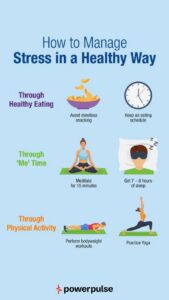
The good news is that stress can be managed. While it may not be possible to eliminate all stress from life, healthy habits can help reduce its impact.
Exercise
Physical activity helps release tension, improve mood, and support overall health.
Even a short walk can help reduce stress and improve mental clarity.
Deep Breathing and Meditation

Breathing exercises and meditation encourage relaxation and help calm the nervous system.
Taking just a few minutes each day to focus on breathing can create a noticeable difference.
Quality Sleep

Prioritizing sleep is essential for stress management. A well-rested body is better equipped to handle daily challenges.
Healthy Nutrition
Eating balanced meals helps provide the nutrients needed for energy, focus, and overall well-being.
Spending Time Outdoors
Nature has a calming effect on many people. Fresh air, sunlight, and time away from screens can help reduce stress levels.
Massage Therapy

Massage therapy is one of the most effective natural tools for stress relief. It helps relax muscles, improve circulation, and encourage deep relaxation.
Many people report feeling calmer, lighter, and more refreshed after a massage session.
Why Massage Therapy Helps Reduce Stress
Massage therapy supports both physical and mental wellness.
Benefits may include:
- Reduced muscle tension
- Improved circulation
- Better sleep quality
- Reduced headaches
- Improved mood
- Increased relaxation
- Enhanced overall well-being
Massage creates an opportunity to step away from daily pressures and focus on self-care. For many people, it becomes an important part of maintaining a healthy lifestyle.
Final Thoughts
Stress affects much more than your mood. It can influence your muscles, sleep, digestion, energy levels, focus, relationships, and overall health.
Learning to recognize the signs of stress is the first step toward protecting your well-being. By incorporating healthy habits such as exercise, proper rest, mindfulness, and massage therapy, you can help reduce stress and improve your quality of life.
Remember, taking care of yourself is not a luxury. It is an investment in your health, happiness, and future.
Experience Relaxation at Zhen Day Spa & Beauty

If stress has become part of your daily routine, professional massage therapy can help you relax, recharge, and restore balance.
Visit: zhendayspabeauty.com
Call or Text: 210-290-8114
Your body and mind deserve time to rest, recover, and thrive.
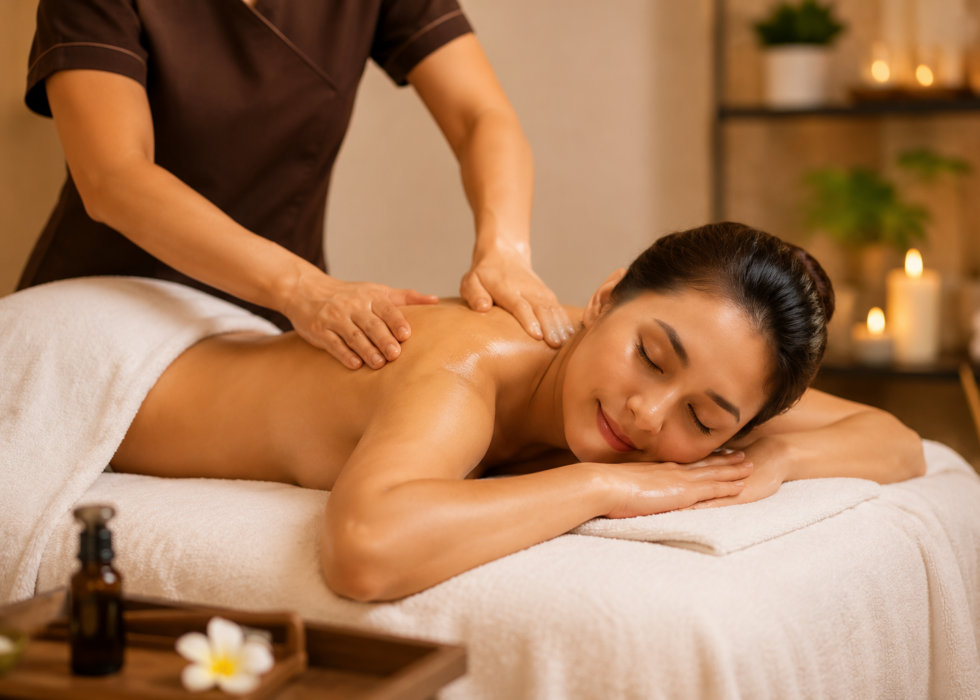
Benefits of Massage Therapy for Stress Relief
Stress has become a daily challenge for many people. Between work, family responsibilities, business demands, financial pressure, and busy schedules, stress can affect both physical and emotional health. While occasional stress is normal, chronic stress can lead to muscle tension, headaches, poor sleep, fatigue, anxiety, and decreased quality of life.
Massage therapy is one of the most natural and effective ways to manage stress. Beyond relaxation, massage supports overall wellness by helping the body release tension, improve circulation, and restore balance.
Understanding Stress and Its Impact on the Body
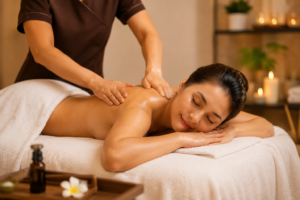
Many people carry stress in their neck, shoulders, upper back, and jaw. Long hours at a desk, constant technology use, and emotional pressures often create muscle tension that builds over time.
When stress remains in the body for too long, it can contribute to headaches, fatigue, irritability, sleep problems, and reduced focus. Learning how to manage stress is essential for maintaining long-term health and wellness.
How Massage Therapy Helps Reduce Stress
Massage therapy helps activate the body’s natural relaxation response. Through professional touch and therapeutic techniques, massage encourages muscles to relax while calming the nervous system.
Many clients report feeling lighter, calmer, and more balanced after a massage session. The treatment allows the body to shift away from stress and into a state of recovery and restoration.
Relieves Muscle Tension and Physical Discomfort
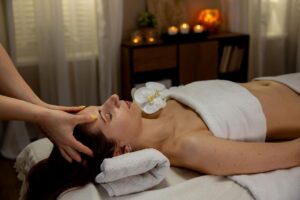
Stress often appears as tightness in the neck, shoulders, and back. Massage therapy helps release these areas of tension while improving flexibility and comfort.
Whether you choose a Swedish Massage, Deep Tissue Massage, or Aromatherapy Massage, regular treatments can help maintain healthy muscle function and reduce everyday discomfort.
Improves Sleep Quality
Stress and poor sleep often go hand in hand. Massage therapy promotes deep relaxation, which may help improve sleep quality and support the body’s natural recovery process.
Many clients experience deeper sleep and increased energy after incorporating massage into their wellness routine.
Supports Emotional Wellness
Massage therapy is not only beneficial for the body. It can also support emotional well-being by providing time to slow down, disconnect from daily pressures, and focus on self-care.
Creating space for relaxation can help improve mood, reduce feelings of overwhelm, and encourage a healthier relationship with stress.
Massage as Part of a Healthy Lifestyle
Massage works best when viewed as part of a complete wellness plan. Combined with healthy nutrition, exercise, hydration, and proper rest, massage therapy can contribute to long-term health and stress management.
Many clients schedule monthly or bi-weekly massages to maintain balance and prevent tension from building up.
Experience Professional Massage Therapy at Zhen Day Spa & Beauty

At Zhen Day Spa & Beauty, we provide professional massage therapy services in a peaceful and welcoming environment. Our goal is to help every client relax, recharge, and restore their well-being.
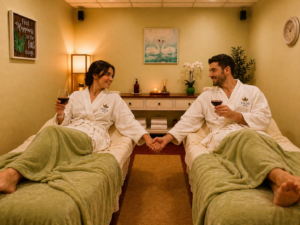
From private treatment rooms to personalized care, every detail is designed to create a relaxing experience that supports both physical and emotional wellness.
Book Your Massage Therapy Session Today
Stress is a part of life, but living with constant tension does not have to be. Massage therapy offers a natural way to relax, improve wellness, and support a healthier lifestyle.
If you are looking for professional massage therapy in San Antonio, we invite you to experience the difference at Zhen Day Spa & Beauty.
Call or Text: 210-290-8114
Website: https://zhendayspabeauty.com
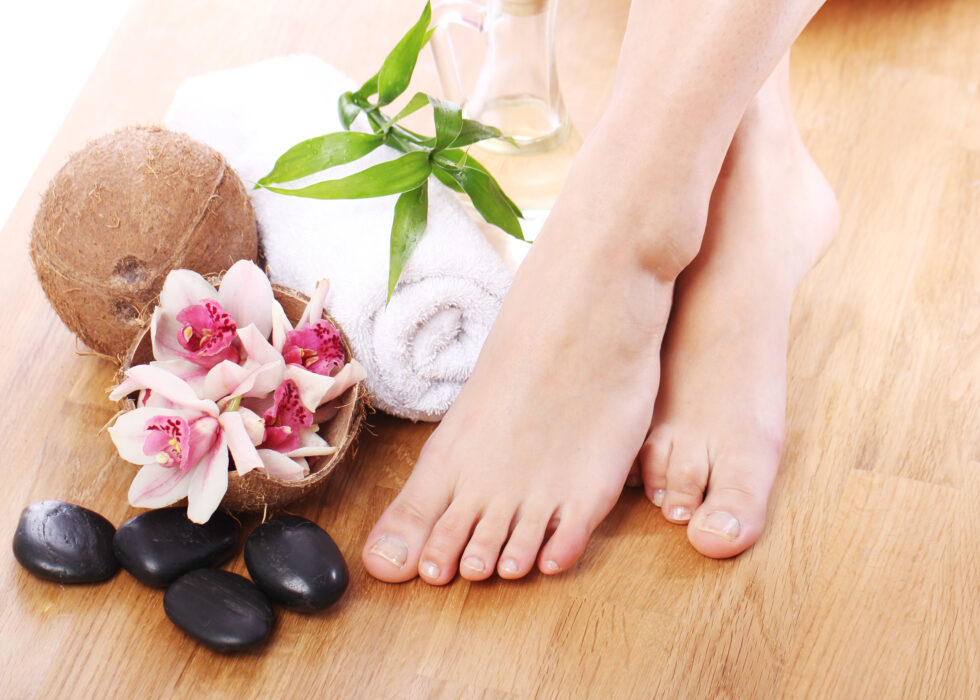
The Healing Touch: Exploring the Benefits of Reflexology Massage
Reflexology massage is a therapeutic practice that goes beyond relaxation to target specific points on the feet, hands, and ears believed to correspond to organs and systems throughout the body. This ancient healing technique offers numerous benefits for both physical and mental well-being, making it a popular choice for those seeking holistic health solutions.

What is Reflexology Massage?
Reflexology massage, also known as zone therapy, involves applying pressure to reflex points on the feet, hands, or ears to stimulate the body’s natural healing processes. It is based on the principle that these reflex points correspond to specific organs, glands, and other parts of the body. By applying pressure to these points, reflexologists aim to promote relaxation, improve circulation, and support overall health.
Benefits of Reflexology Massage
Stress Relief: Reflexology helps to induce a deep state of relaxation, which can alleviate stress and tension throughout the body. This relaxation response can also improve sleep quality and promote a sense of well-being.
Improved Circulation: By stimulating nerve endings and increasing blood flow, reflexology can enhance circulation. Improved circulation can benefit various bodily functions, including oxygen transport, nutrient delivery, and waste removal.
Pain Management: Reflexology has been shown to reduce pain and discomfort associated with conditions such as headaches, migraines, back pain, and arthritis. The release of endorphins during the treatment can further help in pain relief.
Enhanced Energy Levels: Many people experience increased energy levels and vitality after a reflexology session. This boost in energy can support overall productivity and enhance mood.
Detoxification: Reflexology can aid in the elimination of toxins from the body by improving lymphatic drainage and promoting the efficient functioning of the kidneys and liver.

What to Expect During a Reflexology Massage Session
During a reflexology session, you can expect the following:
Consultation: Your reflexologist will discuss your health history, concerns, and goals to customize the treatment.
Comfortable Setting: You will relax in a comfortable chair or massage table while your reflexologist works on your feet, hands, or ears.
Gentle Pressure: The reflexologist will apply firm pressure to specific reflex points using their fingers, thumbs, or specialized tools. You may feel slight discomfort on sensitive points, but it should not be painful.
Relaxation Techniques: To enhance relaxation, your reflexologist may incorporate techniques such as massage, stretching, or aromatherapy.
Aftercare: After the session, your reflexologist may recommend drinking plenty of water and resting to maximize the benefits of the treatment.
Reflexology massage offers a holistic approach to health and well-being by targeting reflex points that correspond to various parts of the body. Whether you’re seeking stress relief, pain management, improved circulation, or enhanced energy levels, reflexology can be a beneficial addition to your wellness routine. Consult with a certified reflexologist to experience the healing benefits of this ancient practice and discover how it can support your overall health and vitality.
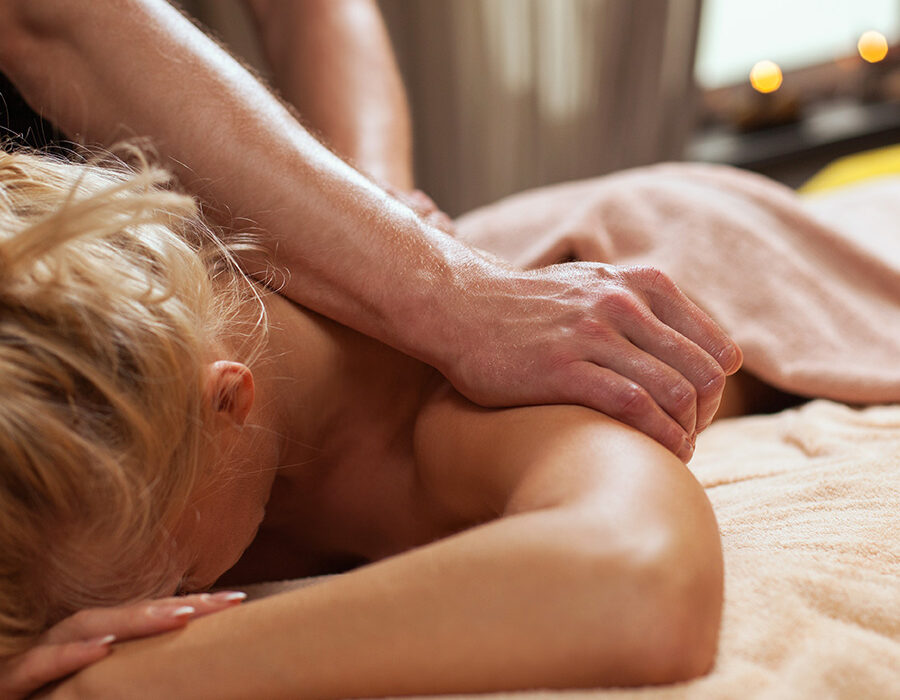
The Power of Healing Touch: Exploring Lymphatic Drainage Massage
Lymphatic drainage massage is a specialized therapeutic technique that focuses on stimulating the lymphatic system, a critical component of the body’s immune function and waste removal process. This gentle and rhythmic massage therapy aims to enhance the flow of lymph fluid throughout the body, facilitating the removal of toxins, metabolic waste, and excess fluid from tissues. By promoting optimal lymphatic circulation, this treatment supports immune function, aids in detoxification, and contributes to overall health.
Understanding Lymphatic Drainage Massage
Lymphatic drainage massage, also known as manual lymphatic drainage (MLD), targets specific lymph nodes and pathways to encourage the movement of lymphatic fluid. Unlike traditional massages that focus on muscles and soft tissues, MLD uses light, rhythmic strokes and gentle pressure to stimulate lymphatic vessels just beneath the skin’s surface. This technique helps clear blockages, improve lymphatic flow, and enhance the body’s ability to eliminate waste products and toxins.

Benefits of Lymphatic Drainage Massage
Boosts Immune Function: The lymphatic system plays a crucial role in defending the body against infections and diseases by transporting lymphocytes and other immune cells. By enhancing lymphatic circulation, MLD helps boost immune function, improve immune response times, and support overall immune health.
Promotes Detoxification: One of the primary benefits of lymphatic drainage massage is its ability to facilitate detoxification. By clearing metabolic waste, toxins, and excess fluid from tissues, MLD supports the body’s natural detoxification processes. This can help reduce bloating, swelling, and inflammation, and promote clearer skin and improved cellular health.
Reduces Edema and Swelling: Lymphatic drainage massage is highly effective in reducing edema (fluid retention) and swelling, particularly in areas prone to congestion such as the arms, legs, ankles, and abdomen. It is often recommended for individuals recovering from surgery, managing lymphedema, or experiencing fluid retention due to pregnancy or other conditions.
Supports Healing and Recovery: MLD can aid in the healing process by promoting circulation, reducing inflammation, and relieving pain and discomfort associated with conditions like fibromyalgia, arthritis, and sports injuries. It can also support post-surgical recovery by minimizing swelling and promoting tissue regeneration.
Enhances Relaxation: Beyond its physical benefits, lymphatic drainage massage induces relaxation and helps calm the nervous system. The gentle, soothing nature of the massage can reduce stress levels and improve overall comfort during and after the session.

What to Expect During a Lymphatic Drainage Massage Session
During a lymphatic drainage massage session, your therapist will:
Conduct a Consultation: They will discuss your health history, current symptoms, and goals for the session to tailor the treatment to your specific needs.
Perform Gentle Techniques: Using light pressure and rhythmic movements, the therapist will gently massage targeted areas of the body, such as the arms, legs, abdomen, face, and neck, to stimulate lymphatic flow and encourage drainage.
Focus on Problem Areas: The massage may focus on areas of congestion, swelling, or discomfort to facilitate lymphatic drainage and alleviate symptoms.
Provide Aftercare Recommendations: To maximize the benefits of the massage, your therapist may recommend drinking plenty of water, engaging in light movement or stretching exercises, and scheduling follow-up sessions as needed.
Lymphatic drainage massage offers a gentle yet effective approach to enhancing overall health by supporting lymphatic circulation, promoting detoxification, and boosting immune function. Whether you’re looking to improve immune response, reduce swelling, support healing, or simply relax and rejuvenate, lymphatic drainage massage can be a valuable addition to your wellness routine. Consult with a qualified massage therapist to experience the therapeutic benefits of this specialized technique and discover how it can contribute to your optimal health.
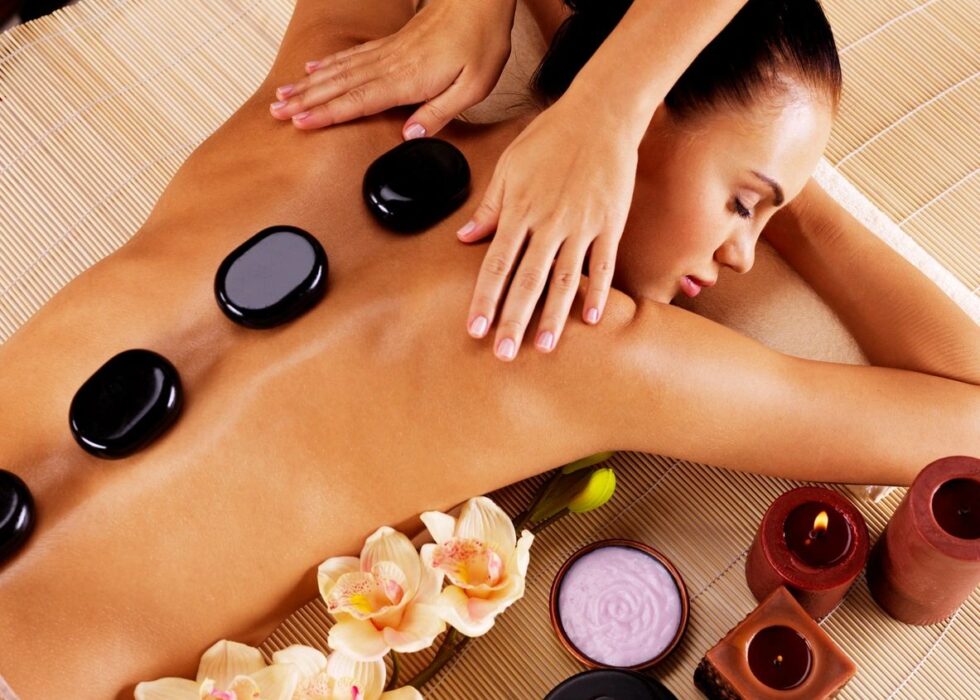
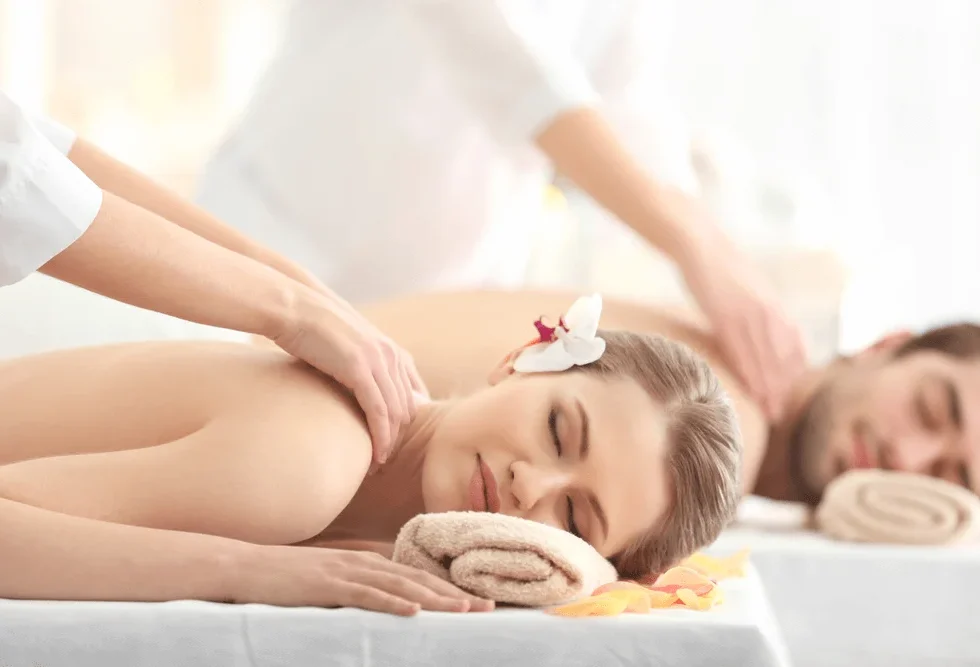
Reconnect and Relax Together: The Benefits of Couples Massage Massage
Couples massage offers a unique opportunity for partners to relax, rejuvenate, and reconnect in a serene and therapeutic setting. This intimate spa experience not only promotes physical relaxation but also strengthens emotional bonds, making it an ideal choice for couples looking to enhance their relationship while enjoying the benefits of massage therapy.

What is Couples Massage?
Couples massage is a shared experience where two people receive massages simultaneously in the same room, by two different therapists. It allows partners to enjoy the soothing benefits of massage therapy together, each receiving personalized treatment based on their individual needs and preferences.
Benefits of Couples Massage
Shared Relaxation: Couples massage provides a tranquil and nurturing environment where partners can unwind and de-stress together. Sharing this relaxing experience can deepen emotional connections and create lasting memories.
Bonding Experience: The shared experience of couples massage promotes intimacy and communication between partners. It encourages mutual relaxation and fosters a sense of unity and closeness.
Personalized Treatment: Each partner receives a customized massage tailored to their specific preferences and areas of tension. Whether you prefer a gentle Swedish massage or a more intense deep tissue massage, therapists can adjust the treatment to meet individual needs.
Stress Relief: Massage therapy is known for its ability to reduce stress hormones like cortisol while increasing levels of serotonin and dopamine. Couples massage offers a dual benefit of stress relief, leaving both partners feeling relaxed and rejuvenated.
Quality Time Together: In today’s fast-paced world, finding quality time to connect with your partner can be challenging. Couples massage provides a dedicated space for uninterrupted relaxation and rejuvenation, helping partners reconnect on a deeper level.
What to Expect During a Couples Massage Session
During a couples massage session, you and your partner can expect the following:
Warm Welcome: Upon arrival, you’ll be greeted by friendly staff who will guide you to a private room designed for couples massage.
Consultation: Your therapists will conduct a brief consultation to understand your preferences, any areas of concern, and the type of massage you prefer (e.g., Swedish, deep tissue, aromatherapy).
Simultaneous Massages: You and your partner will receive massages simultaneously from two therapists, ensuring a synchronized and harmonious experience.
Relaxing Atmosphere: Soft lighting, soothing music, and aromatic scents create a calming ambiance to enhance relaxation and enjoyment.
Aftercare: After the massage, you and your partner can relax together, enjoy a post-massage beverage, and continue to unwind in the spa’s tranquil environment.
Couples massage offers a wonderful opportunity for partners to relax, rejuvenate, and reconnect in a peaceful and intimate setting. Whether you’re celebrating a special occasion or simply seeking quality time together, this shared spa experience provides numerous benefits for both physical and emotional well-being. Treat yourselves to a couples massage and discover the joy of relaxation and connection with your loved one.
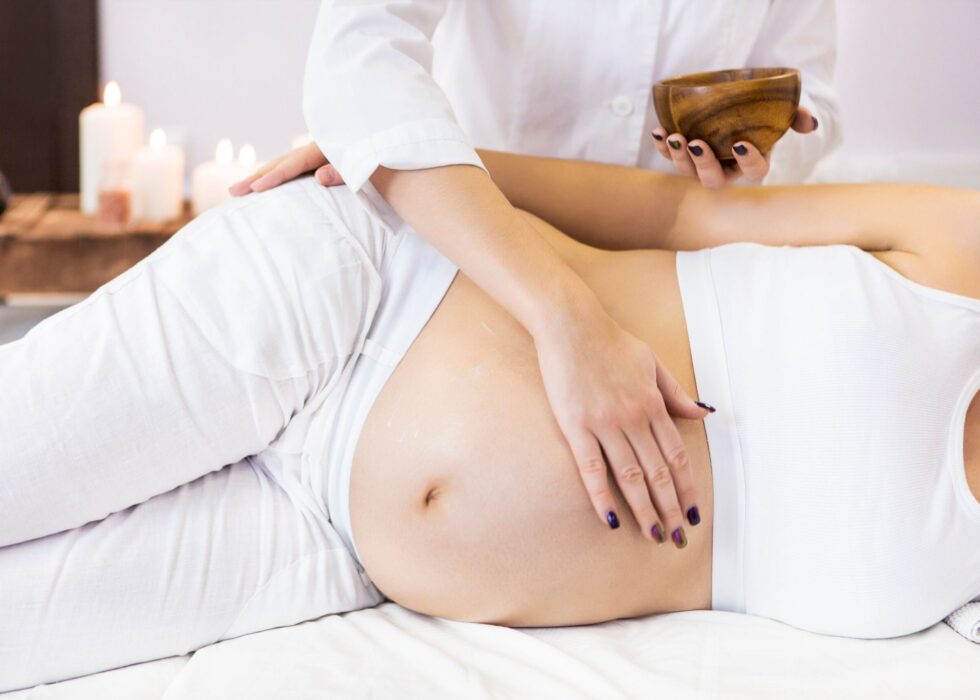
Ultimate Guide to Prenatal Massage: Benefits, Techniques, and What to Expect
Prenatal massage is a gentle and therapeutic massage therapy specifically designed to support the health and well-being of expectant mothers during pregnancy. This specialized treatment offers numerous benefits for both the physical and emotional aspects of pregnancy, providing relief from common discomforts and promoting overall relaxation and wellness.

Understanding Prenatal Massage
Prenatal massage is a form of massage therapy tailored to the needs of pregnant women. It focuses on addressing the unique changes and challenges that occur throughout pregnancy, such as shifting posture, increased weight-bearing, and hormonal fluctuations. Certified prenatal massage therapists are trained to provide safe and effective techniques that ensure comfort and relaxation for expectant mothers.
Benefits of Prenatal Massage
Relief from Muscle Tension and Discomfort: As pregnancy progresses, expectant mothers often experience muscle tension, particularly in the lower back, hips, and legs. Prenatal massage helps alleviate these discomforts by releasing tension and improving circulation, which can reduce swelling and enhance mobility.
Stress and Anxiety Reduction: Pregnancy can be a joyful time, but it can also bring about stress and anxiety. Prenatal massage promotes relaxation by releasing endorphins, the body’s natural feel-good hormones. This can help reduce stress levels, improve mood, and enhance overall emotional well-being.
Improved Sleep Quality: Many pregnant women struggle with sleep disturbances due to discomfort and hormonal changes. Prenatal massage encourages relaxation and can aid in improving sleep quality, allowing expectant mothers to rest more comfortably.
Support for the Immune System: Prenatal massage stimulates the lymphatic system, which helps eliminate toxins and waste products from the body. By boosting lymphatic circulation, massage therapy supports the immune system and overall health during pregnancy.
Bonding with Baby: Prenatal massage provides a nurturing experience that allows mothers to connect with their baby in a calming environment. Gentle touch and positive sensations can promote a sense of well-being for both mother and child.
What to Expect During a Prenatal Massage Session
During a prenatal massage session, expectant mothers can expect the following:
Comfortable Positioning: Your prenatal massage therapist will ensure you are comfortably positioned with supportive pillows or cushions to accommodate your changing body.
Focus on Safety: Techniques used during prenatal massage are specifically adapted to ensure the safety and comfort of both mother and baby. Your therapist will avoid certain pressure points and techniques that could potentially stimulate contractions.
Tailored Techniques: The massage may include gentle strokes, kneading, and light pressure on specific areas of tension. Your therapist will customize the session based on your preferences and areas of concern.
Relaxing Atmosphere: Soft lighting, soothing music, and a calm ambiance create a relaxing environment conducive to promoting relaxation and stress relief.
Aftercare Recommendations: Your therapist may provide tips for self-care at home, such as stretches, exercises, and recommendations for maintaining comfort between sessions.
Conclusion
Prenatal massage offers expectant mothers a safe and effective way to alleviate discomfort, reduce stress, and enhance overall well-being during pregnancy. Whether you’re looking to relieve muscle tension, improve sleep quality, or simply enjoy a moment of relaxation, prenatal massage can provide valuable benefits for both you and your baby. Consult with a certified prenatal massage therapist to experience the nurturing benefits of this specialized therapy and support your journey through pregnancy with comfort and care.